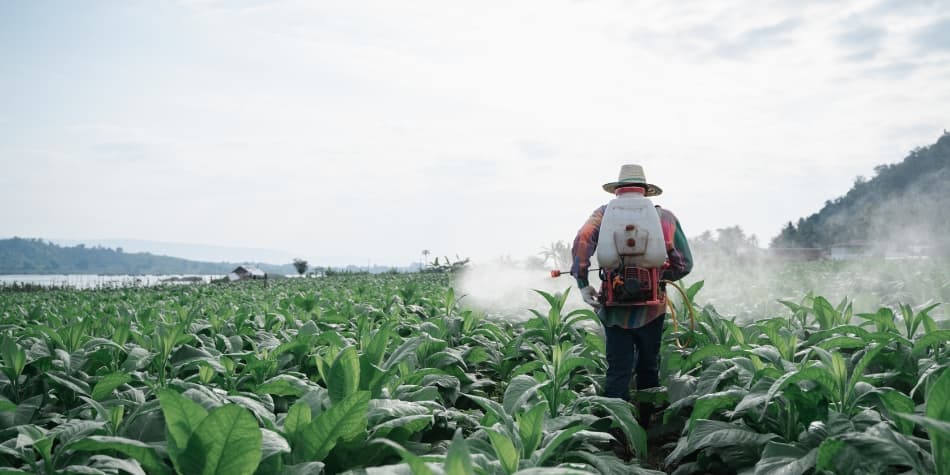
When conflict erupts in the Middle East, investors often focus on oil. But fertiliser is another important pressure point. It links energy markets to agriculture, food prices and food security.
The 2026 disruption to the Strait of Hormuz showed how quickly a regional conflict can flow through natural gas, fertiliser production and agricultural supply chains.
Why fertiliser matters more than most people realise
Around half of global food production depends on synthetic fertilisers, especially nitrogen, which is used for crops such as wheat, rice and maize.
Nitrogen fertiliser is closely tied to natural gas, which is both a key input and a major cost. When gas markets are disrupted, fertiliser prices can rise quickly.
For farmers, higher fertiliser costs can affect planting decisions, crop yields and profitability, with potential flow-on effects for food prices.
A fragile global supply chain
The 2026 disruption also showed how concentrated fertiliser supply has become.
A significant share of global fertiliser trade passes through the Strait of Hormuz, leaving the sector exposed to geopolitical disruption.
Many countries also rely heavily on imports, making them vulnerable to trade restrictions, supply interruptions and policy decisions overseas.
What happened earlier in 2026?
After conflict escalated in the Middle East, shipping through the Strait of Hormuz fell sharply. QatarEnergy halted LNG output and suspended some downstream production, adding uncertainty to energy and fertiliser markets.
European gas prices rose 74% over two weeks, while urea (a common nitrogen fertiliser) prices climbed 80% between February and April. Phosphate fertilisers also rose as sulphur costs increased.
Prices have eased considerably from their April peaks as trade flows adjusted and supply concerns moderated, although fertiliser markets remain vulnerable to renewed disruption.
The real risk isn’t fertiliser prices
The bigger issue is food-system resilience.
Higher prices do not automatically cause food shortages. But if farmers reduce fertiliser use, change crops or plant less, productivity can suffer.
Timing matters too. Disruptions during key planting windows can have a bigger impact than price moves alone suggest.
The risk is greater when supply-chain shocks coincide with adverse weather, reinforcing the importance of resilient food systems.
The current very strong El Niño adds another layer of risk by shifting rainfall patterns and increasing the potential for droughts or floods in key growing regions.
Where investors may see the impact
Even if investors do not own fertiliser producers directly, higher input costs can affect farm profitability, food manufacturers, retailers, logistics providers and consumers.
The longer-term opportunity may lie with companies helping agriculture produce more with fewer resources, including those focused on water efficiency, productivity and supply-chain resilience.
What does this mean for investors?
The events of 2026 were a reminder that food security is shaped by more than weather. Geopolitics, energy markets and agriculture are increasingly connected.
The key question is how resilient the food system will be as climate risks, resource constraints and geopolitical tensions increasingly overlap.
Market Insights enewsletter
Keep up to date with our fortnightly Market Insights enewsletter. Our research team provide timely and regular commentary and analysis on market developments, understanding investment jargon, and the impact of current events.


Vanessa Stevens
Senior Sustainability Analyst
Market Insights enewsletter
Keep up to date with our fortnightly Market Insights enewsletter. Our research team provide timely and regular commentary and analysis on market developments, understanding investment jargon, and the impact of current events.